








Report Writing for Teachers: Stress-Free Tips and Comment Starters
Hey teacher!
Report writing can feel like an overwhelming task, especially as the deadline creeps closer and the workload piles up around you.
But with the right strategies in place, the process can become far more manageable and even, dare we say it, enjoyable.
In this blog we'll walk you through some tried-and-tested tips to streamline your report writing process, from building a structured to-do list to looking after your own wellbeing.
1. Start With a Comprehensive To-Do List
The first step in tackling any daunting task is to break it down into smaller, more manageable pieces.
Begin by creating a to-do list that includes everything you need to get through, from gathering work samples to proofreading and finalising grades.
This brain dump clears your head and lets you focus on one thing at a time instead of everything at once.

2. Begin Early to Avoid the Last-Minute Rush
Procrastination leads to unnecessary stress. Start your report writing as early as you possibly can.
By allocating dedicated time each day to work on your reports, you'll have a much smoother run and plenty of breathing room for the unexpected things that always pop up.
3. Track Student Grades Throughout the Term
Don't wait until the end of term to work out where your students are at.
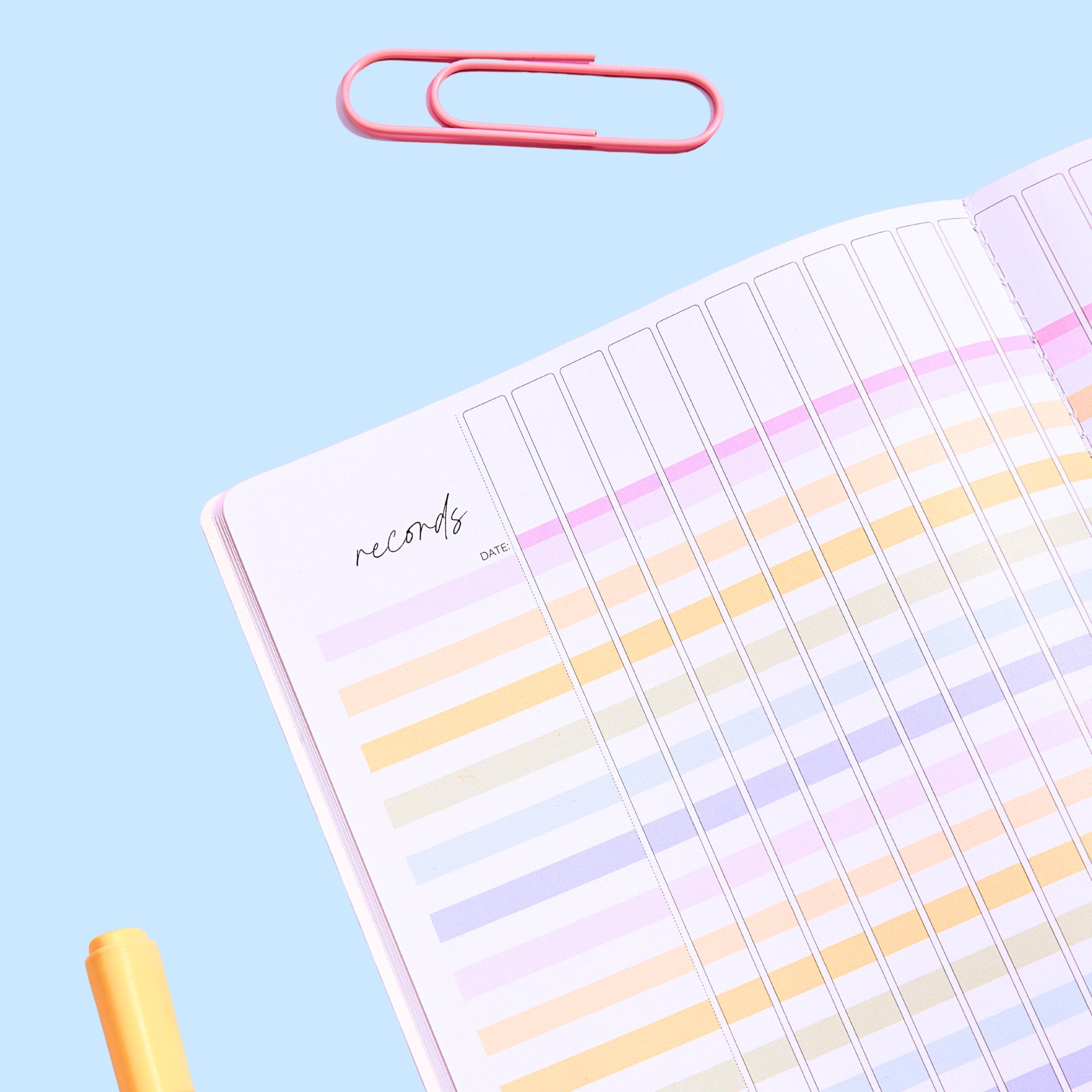
Use the tools you already have, like the student record pages in your planner or an assessment journal, to track grades as you go.
This keeps you informed and helps you spot the students who need extra support long before reports are due.

4. Create a Bank of Comments
Streamline the comment writing by building a bank of pre-written comments you can personalise for each student.
It saves hours and it keeps your feedback consistent across the class. Start with general comments, then tailor them to each child.
5. Batch Your Time
Time management is everything during report season. Set aside specific slots for report writing and focus on one section at a time.
By batching your time, you'll get far more done and keep a clear head while you do it.

6. Use Peer Review
Consider setting up a peer review system where colleagues read over each other's draft reports.
A second set of eyes catches errors and inconsistencies you've stopped seeing, and often offers a fresh perspective on a tricky student.
Working alongside other teachers lifts the quality of everyone's reports and makes the whole thing feel less lonely.
7. Set Realistic Goals
Break your report writing down into smaller, achievable chunks. Set realistic deadlines for each one and celebrate your progress along the way.
Pacing yourself keeps the momentum going and stops you burning out halfway through.
8. Embrace Templates and Tools
Templates and digital tools are your friend here.
From comment templates to your school's reporting software, there are plenty of ways to cut down the repetitive work.
Try a few different tools and keep whatever genuinely fits the way you work.

9. Reflect and Iterate
Once reports are handed in, take a few minutes to reflect on your process while it's still fresh.
What worked well?
What would you do differently next time?
Refining your approach each round means report season gets a little easier every year.
10. Prioritise Self-Care
In the middle of all the marking and moderating, don't forget to look after yourself.
Schedule proper breaks, get outside for a walk, or lean into a guilty pleasure like some trashy TV.
Your wellbeing matters just as much as the reports do.

You've Got This
Report writing doesn't have to hang over you like a dark cloud. With these tips you can streamline the process, take the edge off the stress, and even find a few moments of enjoyment along the way.
So arm yourself with a to-do list, start early, track student progress as you go, lean on your comment bank, batch your time, and most importantly, take care of yourself.
Happy writing!
Mrs Edgar Resources That Help at Report Time
These are the bits and pieces we reach for when reports are due:
- Assessment Journal - a lightweight companion to your planner with student record pages, so your data is all in one place before you sit down to write.
- Teacher Planner - the student record section is where the term's grades and notes live, ready for report season.
- Pen Loop - because the pen you need is never the one you can find.
- Free editable class checklist - pop your class list in once and tick off every report as you finish it. Free to download.
SHOP OUR ASSESSMENT JOURNALS →
More From The Blog
- 15 Time-Saving Hacks Every Teacher Needs
- End-of-Year Organising
- A Guide to Using Your Teacher Planner
- 10 Essential Planner Features
PS: Want more fun tips and free resources for your classroom? Subscribe to our email list for a treasure trove of exciting ideas delivered straight to your inbox! Click here to subscribe


Leave a comment