







Living and Non-Living: Data Record
Bring science to life — students observe, record and discover what makes something living or non-living.
This Living and Non-Living Data Record gives students a structured way to investigate one of the most fundamental concepts in primary science. Through hands-on observation and recording, students classify objects from their environment as living or non-living and build their understanding of the key characteristics that define life.
Perfect for early primary science units, this resource turns an abstract concept into a tangible, student-led investigation.
Why teachers love it:
- Inquiry-based learning — students observe and record their own findings rather than just reading facts
- Curriculum-aligned — supports the Australian Curriculum's Biological Sciences strand
- Builds scientific vocabulary — students use the language of science as they work
- Simple and clear — easy enough for early primary students to use independently
Perfect for:
- Year 1 and Year 2 science units on living things
- Science rotations and investigations
- Outdoor learning and nature walks
- Science journals and portfolios
- Assessment evidence collection
What's included:
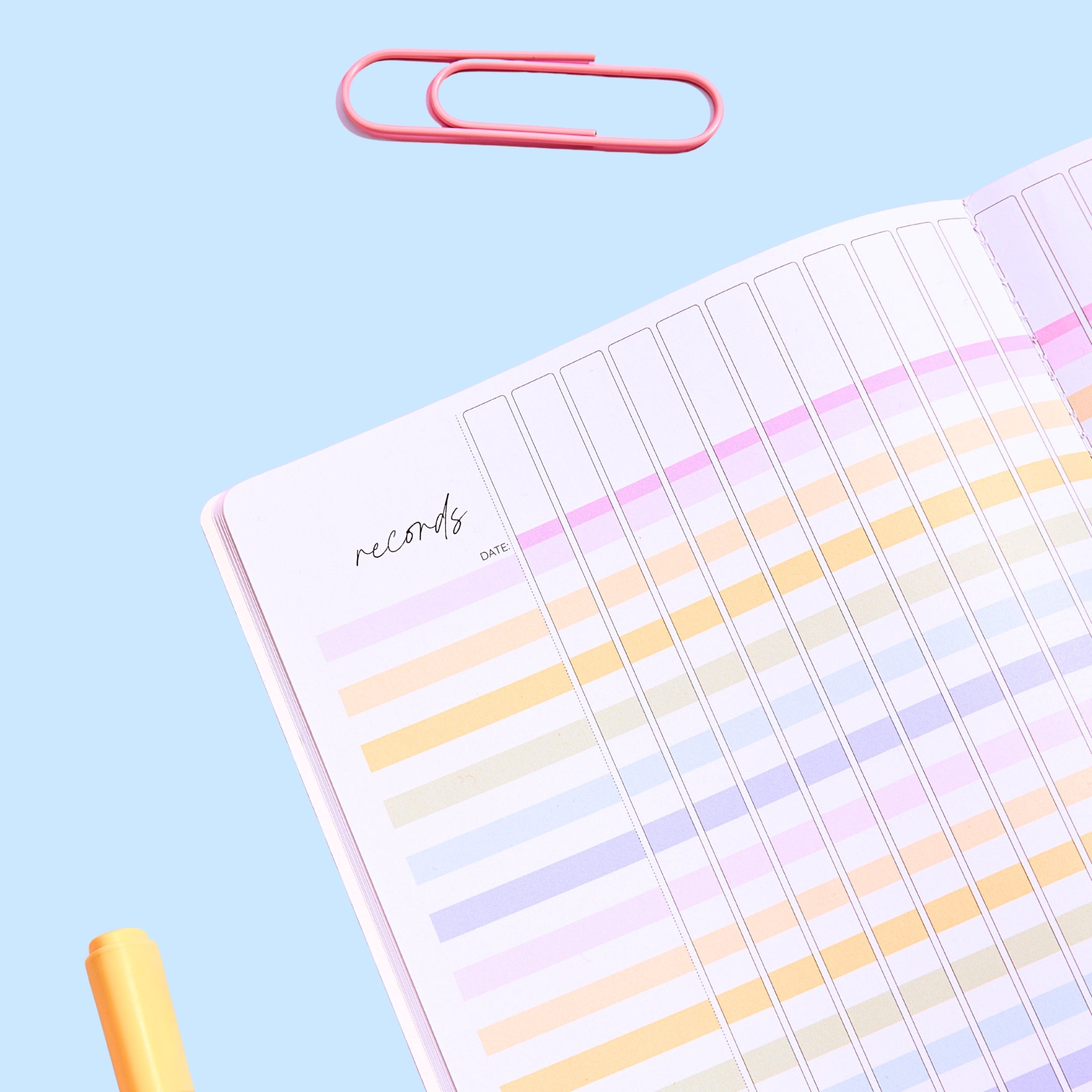
A printable data record sheet for students to classify and record living and non-living things observed in their environment — structured for early primary science investigation.
Science is all around us — help your students learn to see it.
SPECIFICATIONS
Our digital resources are primarily available in PDF format, optimised for A4 standard paper size to ensure easy printing. Here's what you can expect:
File Format:
This digital download is not editable.
Instructions:
Detailed instructions are included with digital teacher resources that require them, ensuring ease of use and printing.
Compatibility:
Digital teacher files can be accessed on any device, including desktops, tablets, and smartphones. For the best experience, we recommend using a free PDF reader such as Adobe Acrobat Reader.
Printing:
PDFs are set to A4 size for high-quality printing. For optimal results, we recommend using high-quality paper.
Licence:
All files are for personal use only. Redistribution, reselling, or commercial use is prohibited unless otherwise stated.
Need help or have further questions? Don't hesitate to contact us!
TECHNICAL SUPPORT
If you're having trouble downloading or opening this file, don't worry! Here are a few things you can check:
Ensure you have a PDF Reader, such as Adobe Acrobat Reader, installed on your device for the best experience.
For editable files, you will need Adobe Acrobat (free version) to add your own text. Remember, only the text is editable, while images, layouts, and colour palettes remain fixed.
If you're attempting to print, ensure that your printer settings match the A4 standard paper size for optimal results.
For additional troubleshooting, check out our FAQs in the tab below. If issues persist, feel free to contact us and we'll be happy to assist you. We're here to ensure everything runs smoothly!
OUR HAPPINESS GUARANTEE
We want nothing but the best for our incredible teaching community, and that extends to our digital resources too! If you're not 100% satisfied with your digital purchase, please reach out to us within 30 days, and we'll be happy to offer a full refund or exchange.
Please note: Due to the nature of digital products, we cannot accept returns on files that have been downloaded. However, we are committed to ensuring you have an excellent experience with our resources, and we will work with you to resolve any issues you encounter.
Visit our Returns Policy to learn more.
FAQS
What if my file isn't printing correctly?
ZIP FILES:
If you're experiencing issues with printing, first check the file type. If it's a ZIP file, you'll need to unzip or extract the contents before printing.
How to Open a ZIP File:
-
On a Windows Computer:
- Right-click on the ZIP file.
- Select "Extract All..." from the dropdown menu.
- Choose the location where you'd like the extracted files to be saved.
- Click "Extract" to uncompress the files.
-
On a Mac:
- Double-click the ZIP file.
- The contents will be automatically unzipped into the same folder as the ZIP file.
Once unzipped, you'll be able to access all the files contained within the ZIP archive.
PDF FILES:
For PDF files, especially those with many graphics, the file may display correctly on your screen but not print as expected. To resolve this, make sure you're using the latest version of Adobe Acrobat Reader to open and print your PDF.
- Open the PDF in Adobe Acrobat Reader.
- Click "Print."
- In the "Page Sizing & Handling" section, select "Shrink oversized pages" if needed.
- Click "Advanced."
- Check the "Print As Image" box.
- Proceed to print your document.
What if I can't download a file?
If you're having trouble downloading a file, it's usually a temporary issue caused by an unstable network or a browser connection problem. Try refreshing your browser and attempt the download again after a few minutes.
If you're using a school computer, keep in mind that some schools have restrictions on downloading files. Try downloading the file at home and then transfer it via a USB drive or email it to yourself.
You can also try right-clicking (on a PC) or control-clicking (on a Mac) the download link and selecting "Save target as" or "Save link as" to download the file directly to your desktop.
Need help or have further questions? Don't hesitate to contact us!


